
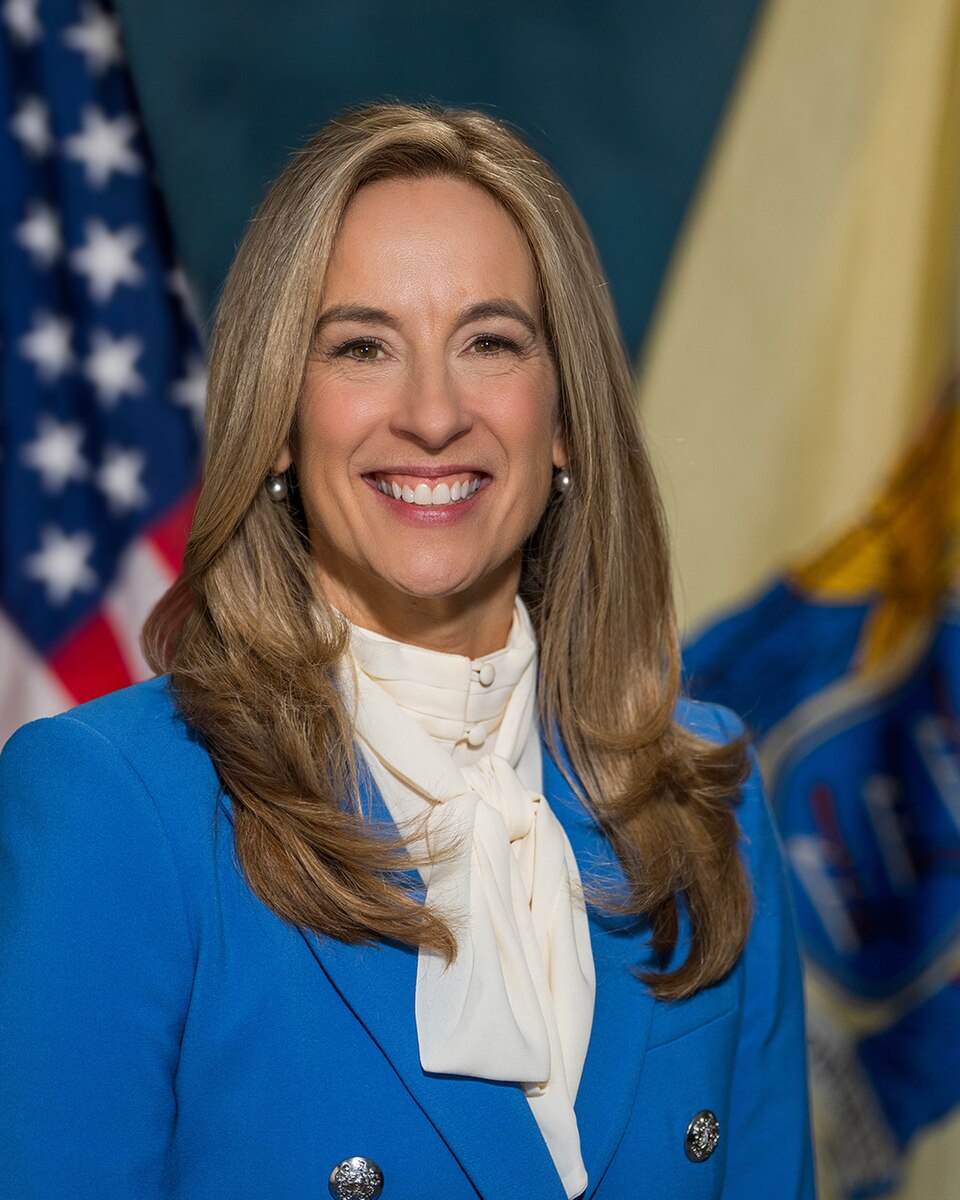
A new governor of New Jersey was recently inaugurated into office on the 20th of January. Whiel governers’ races are fairly routine, occurring every four years, this race caught the attention of both political analysts and the general public. New Governor, Mikie Sherrill, checks off a few notable stats in her new title.
She takes over in place of former governor Phil Murphy. The Democrat served two terms as governor, and in his final term, publicly supported Sherril during her campaign. Her ultimately successful campaign targeted improving and strengthening the public education system, lowering the cost of living—especially regarding utility prices—and safeguarding reproductive rights. These targets and her press earned her 57% of the popular vote, securing her the win.
All this is not necessarily out of the ordinary for a governor’s race. Many governors-elect from different states receive support from former governors or run on similar platforms. What sets Sherril apart is not the way she ran or the issues she ran on, but the norms and presidence she disrupted with her identity, party, and experience.
In the past six decades, the governors of New Jersey have not held any long-standing party affiliations. No singular party served longer than two terms—until now. Former Governor Murphy served two terms as a Democrat, and now Sherrill will be the third term, breaking the previous trend. This new development could potentially mark a new trend in New Jersey politics that would align with presidential election leanings. Since 1992, New Jersey has supported Democratic candidates in the majority. With this only being Sherrill’s first term, there is potential for re-election and a fourth term of Democratic governance.
Sherrill not only breaks trends but also becomes a part of New Jersey History and an important symbol for gender diversity in government. She will be the second woman to govern New Jersey. It has been nearly three decades since the first female governor, Christine Todd Whitman, a Republican, served from 1994 to 2001. Sherrill further adds a new legacy to female governance, being the first female veteran to serve as governor. She graducated the U.S. Naval Academy in 1994, the first year Whitman served as governor. She later piloted helicopters in the Navy, flying and leading missions in both the Middle East and Europe.
Sherrill will serve as governor until all of our current student body has passed through Kingsway, and with her experience and platform, she promises to be a positive leader for New Jersey.